




Medical technology has transformed the way healthcare is delivered, making treatments faster, safer, and more effective. From advanced diagnostic tools to innovative treatment methods, technology is playing a vital role in saving lives and improving patient outcomes.
1. Improved Diagnostics
Modern medical devices such as MRI, CT scans, and digital X-rays allow doctors to detect diseases earlier and with greater accuracy. Artificial Intelligence (AI)-powered diagnostic systems are also assisting doctors in interpreting medical reports, reducing the chances of human error.
2. Remote Patient Monitoring
With the rise of wearable devices and telemedicine, patients can now monitor their health from the comfort of their homes. Smartwatches, fitness trackers, and portable ECG machines provide real-time health updates, allowing doctors to track progress and intervene when necessary.
3. Robotic Surgery
Robotic-assisted surgery provides precision and reduces recovery time. Procedures that once required large incisions are now performed with minimal invasiveness, leading to less pain and faster healing for patients.
4. Digital Health Records
Electronic Health Records (EHRs) ensure that a patient’s medical history is easily accessible to healthcare professionals. This not only improves coordination among doctors but also saves time in emergencies.
5. Future of Medical Technology
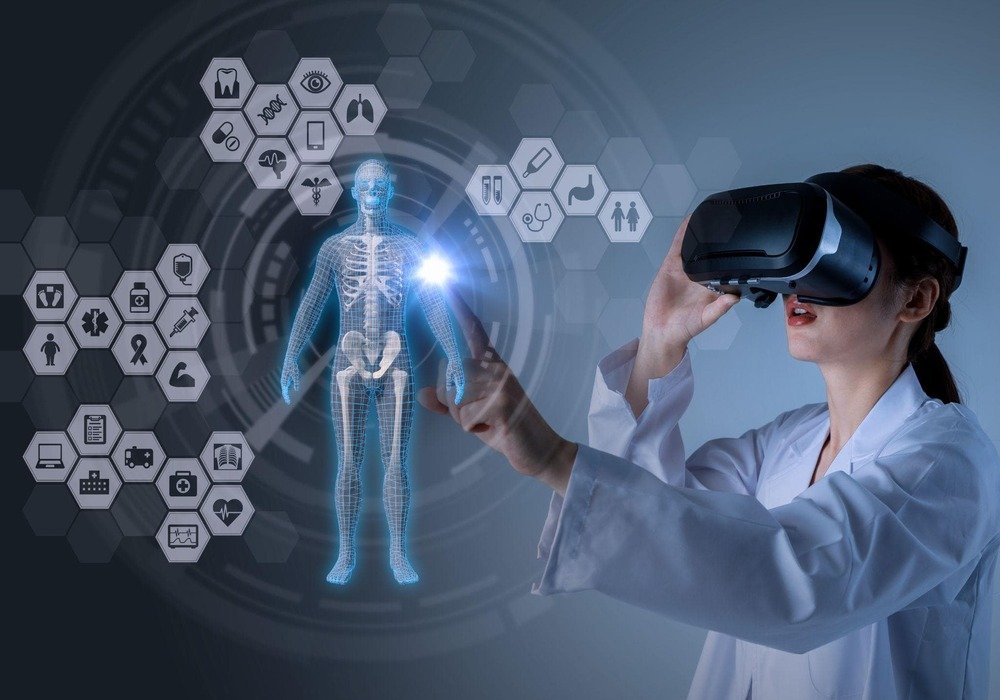
The future holds even greater promise with advancements like 3D-printed organs, AI-driven drug discovery, and virtual reality (VR) for medical training. These innovations aim to provide personalized, affordable, and more efficient healthcare solutions.
Conclusion
Medical technology is not just about machines and gadgets—it is about creating a healthcare system that is smarter, faster, and more patient-focused. As technology continues to advance, we can expect even more breakthroughs that will redefine the future of medicine.